Category: vitamins

Vitamins And Dietary Supplements Throughout Pregnancy

Recommendations for folic acid supplementation during pregnancy lowered threat of toddler neural tube defects. Zinc is a mineral that’s essential to maintain your senses of style and scent. It is significant to the immune system and your body wants it for wound therapeutic. Zinc is considered one of the minerals that helps defend your eyes and keeps imaginative and prescient sharp as you age.

A blood degree of over 200 ng/mL for vitamin D, measured as 25D, could be probably poisonous. For this purpose, the tolerable higher consumption for vitamin D has been set at 2,000 IU per day for ages 1 and above. Even although vitamins and dietary supplements could seem utterly natural and safe, that’s not at all times the case for particular people. Some vitamins and minerals could cause side effects, especially if taken in too-large doses.

A Better Have A Glance At Trace Minerals

Vitamin B5, or pantothenic acid, is needed for conversion of the fats and carbohydrates in your food regimen to energy and likewise for supporting the adrenal glands, which regulate your stress response. For most people, a balanced and various diet should present all the vitamins you need. Speak to your GP or healthcare supplier if you are concerned about nutritional deficiencies or are considering taking dietary supplements. Inadequate dietary consumption of vitamin D, together with limited solar exposure, makes vitamin D deficiency a growing public well being concern.

vitamins

Iron deficiency, which causes anemia, is a serious explanation for hair loss. Low levels of vitamin D are linked to alopecia, a technical term for hair loss . Free radical harm can block progress and cause your hair to age. Vitamin C is a strong antioxidant that helps defend against the oxidative stress caused by free radicals . Diets poor in vitamin A might result in several issues, …
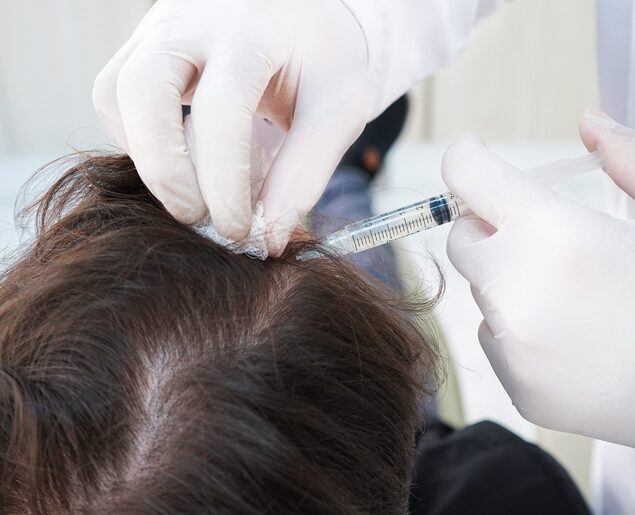
Mesotherapy for Hair Loss: What You Need to Know About Scalp Micro-Injections

The landscape of hair restoration has moved far beyond basic shampoos and traditional lotions. One emerging treatment at the forefront is mesotherapy – a method that delivers a blend of nutrients, vitamins, and compounds directly into the scalp through a series of fine, strategic micro-injections. But just what makes up these injections, and why are more men turning to this targeted solution for thinning or receding hair?

This guide shares key insights about mesotherapy, looking at the science behind the treatment, what you can expect during a session, and who stands to benefit the most.

What is Mesotherapy?

Mesotherapy was first developed in France during the 1950s by Dr Michel Pistor. Originally intended for pain management and circulatory issues, the procedure gradually found a new purpose in aesthetic medicine, especially for concerns like skin rejuvenation and, most recently, hair loss. The core idea is simple but powerful: instead of relying on topical products or oral supplements, which must pass through various biological barriers, key nutrients are injected straight into the scalp’s middle layer—where they can be absorbed with maximum benefit.

The targeted delivery means the hair follicles, often struggling for nourishment due to poor blood flow or other factors, can be revitalised effectively. Over the years, the formulations have become increasingly advanced, and the technique has evolved to be more comfortable and accessible, using very fine needles to ensure minimal discomfort.

Breaking Down the Mesotherapy Formula

A major benefit of mesotherapy is that it can be tailored to each client’s unique needs.Clinics offering mesotherapy for hair loss tailor their formulas and treatment plans to individual needs, ensuring the injections target the specific causes behind thinning or shedding, but they generally include a blend of ingredients proven to support scalp health and hair growth:

B-Complex Vitamins: These vitamins, including Biotin (B7) and Niacin (B3), are …

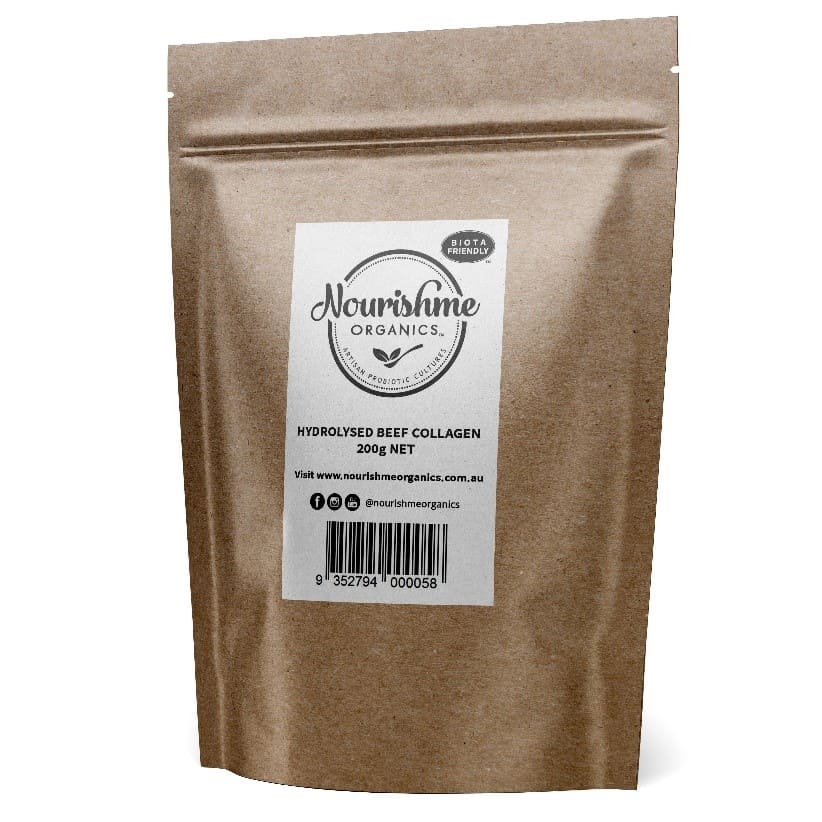
The Collagen Boost You Need: A Simple Guide to Radiant Health

In the bustling world of health and wellness, one ingredient has been steadily gaining traction for its remarkable benefits: collagen. Often touted as the key to youthful skin, strong joints, and a healthy gut, collagen is more than just a buzzword. It’s a fundamental protein that plays a vital role in our overall well-being. But with so much information out there, it can be tricky to navigate the world of collagen. Where do you start? What type is best? And how do you incorporate it into your daily routine? Let’s dive in and explore how you can get the benefits of collagen in your daily life.

This simple guide is designed to demystify collagen, providing you with a clear understanding of its benefits and how to harness its power for radiant health. We’ll explore what collagen is, its various types, and, of course, how you can incorporate it into your diet to feel and look your best. Whether you’re looking to improve your skin’s elasticity, alleviate joint pain, or simply boost your overall health, this guide will provide the knowledge you need to make informed choices.

What Exactly is Collagen?

Collagen is the most abundant protein in the human body, acting as the primary structural component of our skin, bones, tendons, ligaments, and other connective tissues. Think of it as the “glue” that holds everything together. It provides strength, elasticity, and support to these tissues, allowing us to move freely and maintain our physical integrity.

Our bodies naturally produce collagen, but as we age, this production starts to decline. This decline typically begins in our mid-20s and continues throughout our lives. Factors like sun exposure, smoking, and a poor diet can accelerate this process, leading to visible signs of ageing such as wrinkles, joint pain, and decreased bone density. This is where supplementing with …

Coffee and Health Benefits: What the Research Really Says

Coffee is one of the most popular beverages in the world, consumed by millions every day for its rich flavour and stimulating effects. While it’s long been associated with boosting energy and increasing alertness, modern research has expanded our understanding of coffee’s role in promoting overall health and wellbeing. From its antioxidant content to its impact on chronic disease, coffee offers more than just a quick caffeine fix.

Nutritional Profile of Coffee

At its core, black coffee is naturally low in calories, fat, and sugar. It contains a complex mix of biologically active compounds, including caffeine, polyphenols, and essential micronutrients such as potassium, magnesium, and some B vitamins. One of the key highlights of coffee is its high antioxidant content. These compounds help to fight oxidative stress in the body, reducing the damage caused by free radicals and contributing to long-term health.

The type of coffee and the way it’s brewed can influence its nutritional content. For example, filtered coffee typically contains fewer diterpenes—compounds that may raise cholesterol—compared to unfiltered methods like French press or espresso. Nonetheless, moderate consumption of most brewing styles is generally considered safe for healthy adults.

Mental Performance and Mood Enhancement

One of the most well-known effects of coffee is its ability to enhance mental performance. Caffeine acts as a central nervous system stimulant, improving focus, concentration, and reaction time. It does this by blocking adenosine, a neurotransmitter that promotes sleepiness, allowing alertness-enhancing chemicals like dopamine to thrive.

Regular, moderate intake of coffee has also been linked to improvements in mood. Studies suggest that caffeine consumption can reduce the risk of depression and may contribute to a more positive overall mood. It’s no surprise that many people reach for a cup of coffee during stressful or demanding periods of the day.

Heart Health and Chronic Disease Prevention

For years, coffee’s …

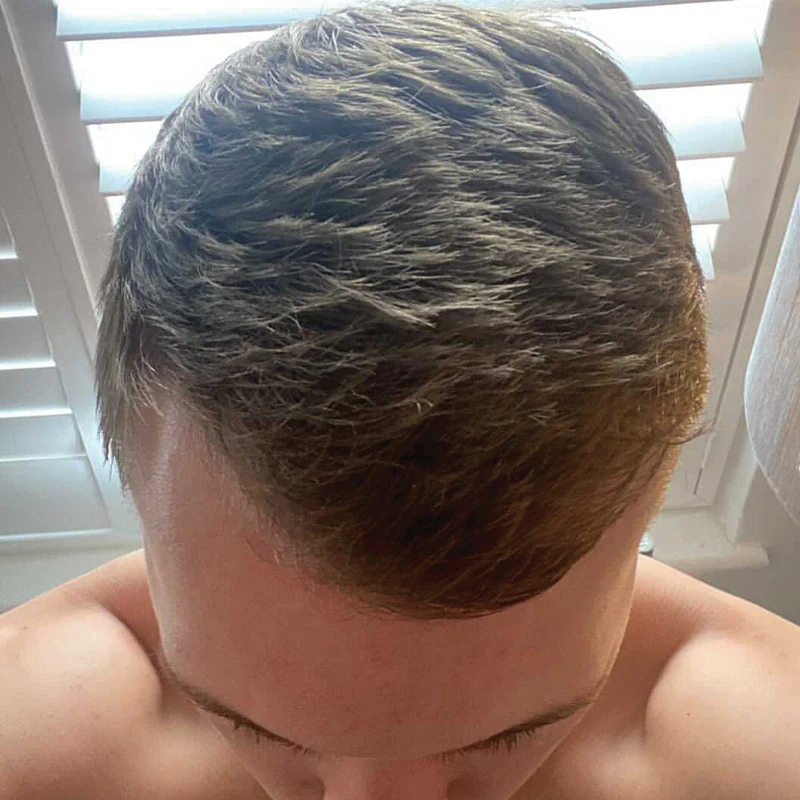
Embracing Change: A Practical Guide to Hair in Your 30s and 40s

Reaching your 30s and 40s can mean big changes. You’ve likely settled into your career, perhaps started a family, or simply grown into your true self. Yet, these decades also come with new experiences—like longer recovery times after a night out, that occasional creaky knee, and for many, the first signs of hair loss.

Noticing a receding hairline or thinner patches up top? You’re far from alone. Changes in hair with age are incredibly common, and they can take a lot of us by surprise. But here’s some good news: you’re not helpless, and hair loss doesn’t have to define how you view yourself.

Here’s your friendly guide to understanding what’s happening, accepting what you can’t change, and taking action where it matters.

Biology is at Play

Most men will experience some hair thinning by their mid-30s. It may happen earlier for some, or in gradual stages for others. By 50, about 85% of men will notice notable hair loss—a figure consistent whether you’re in Galway or Glasgow.

The main culprit is androgenetic alopecia, or male pattern baldness, driven largely by genetics and a hormone called DHT (dihydrotestosterone). DHT causes hair follicles to shrink, resulting in finer, shorter hairs—and eventually, no hair at all.

Understanding that hair loss is a natural part of biology (not something you caused) is the first step in reclaiming control.

Considering Stress, Diet, and Lifestyle

While DHT is a primary trigger, it’s not the only factor. Your 30s and 40s can bring increased stress—more responsibilities, job pressures, maybe sleepless nights if you have young children.

Stress can lead to telogen effluvium, a type of hair shedding caused by hormonal and nervous system changes. Diet is crucial too: insufficient iron, zinc, or vitamin D can affect hair health. And lifestyle choices that didn’t matter in your 20s—like skipping meals or …